
How a private-label brand built a retail-ready range around a controlled SKU strategy.
Eleven planned SKUs reduced to four released combinations, under one packaging system and one model register.
01
Buyer background
- Buyer type
- Private-label brand
- Application
- Wallets & cards
- Product format
- Smart card tracker, Private-label range
- Ecosystem
- Apple Find My, Google Find Hub
- Market
- European retail and e-commerceMarket region only; country not disclosed
- Cooperation path
- Sample-first approval, then production release
Anonymised program. Commercial identity and purchase volume are not disclosed.
02
The starting constraint
The brand wanted an own-brand tracker line, but its first draft of the range produced eleven SKUs from three formats, two ecosystems and four packaging variants — a document and artwork problem as much as a product problem.
Every additional combination would need its own artwork approval, its own label set and its own evidence reference, which the buyer could not maintain across a small team.
03
Product scope and delivery
| Customer requirement | Delivered scope |
|---|---|
| Range size | Reduce eleven planned SKUs to a maintainable set |
| Branding | Own logo on housing and packaging |
| Packaging | One structural system, multiple brand variants |
| Evidence | One register covering every SKU in the range |
| Launch window | Fixed seasonal date |
Delivered specification
- Product format
- Two formats: Smart card tracker and Round tracker
- Platform / ecosystem
- Apple Find My and Google Find Hub variants, each named separately
- Enclosure
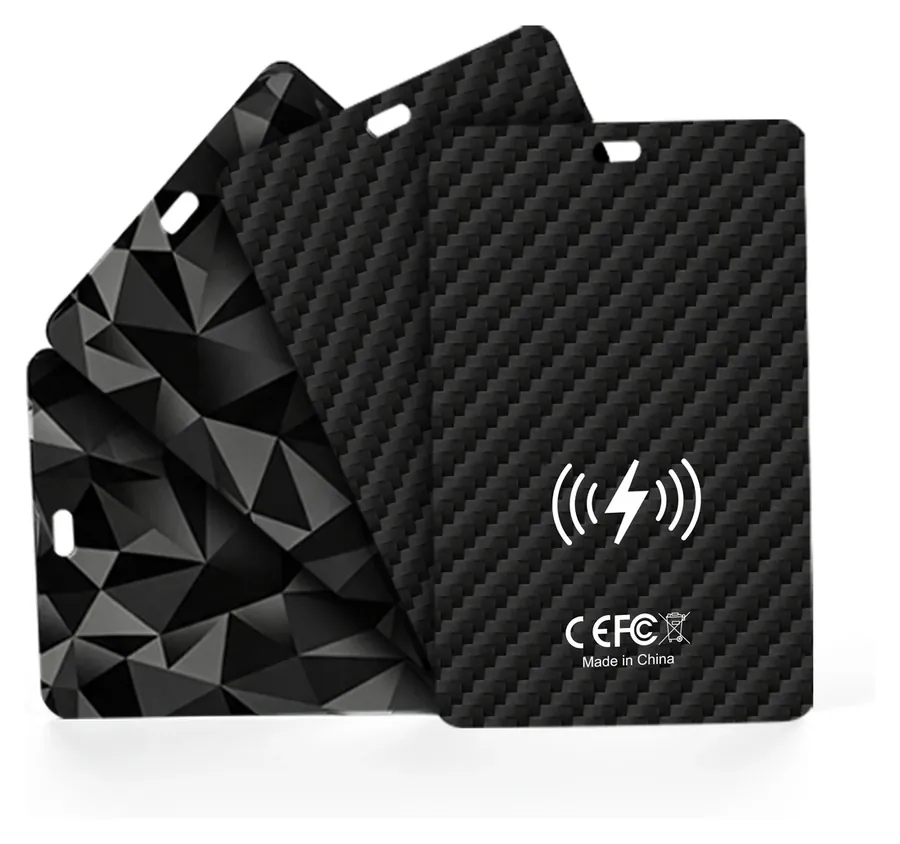
- Branded print on standard housings; no new tooling
- Material
- ABS+PC housing with printed brand mark
- Packaging
- Shared carton structure with per-SKU sleeves
- Instructions
- Two-language leaflet template
- Target market
- European retail and e-commerce
- MOQ
- Confirmed per format and finish in the written quotation
- Lead time
- 7–15 business days after custom artwork approval
- Required evidence
- Model register; platform wording per ecosystem
- Quality control
- Pre-production sample and pre-shipment inspection
Values marked “confirmed in the written quotation” are set per order. They are not catalogue figures and do not carry over to another format or quantity.
04
The process and key decisions
- 01
Brief review
The planned eleven SKUs were mapped against formats, ecosystems and packaging variants.
- 02
Product and platform selection
Two formats and two ecosystem variants were kept; the rest were deferred to a second wave.
- 03
Physical sample
Branded samples were produced for the card format to test print position and finish.
- 04
Revision and validation
Logo size and position were revised; the carton structure was fixed before the sleeve artwork began.
- 05
Evidence and market review
A model register was built so each SKU pointed at one evidence reference rather than a new document set.
- 06
Production release
Both formats were released against the approved samples and the approved sleeve artwork.
Validation points
- Branded sample approved for print position and finish
- Carton structure fixed before sleeve artwork
- Model register reviewed SKU by SKU before release
05
Verified outcome
Verified project facts
- Range reduced from eleven planned SKUs to four released combinations
- Branded sample approved before production
- One packaging structure shared across the released SKUs
Supplier process
- Consolidated the range around two formats
- Built a single model register for the whole line
- Fixed the carton structure before artwork
Buyer-approved outcome
Range launched. Sales and margin figures are not disclosed.
Not disclosed
Quantity, order value, sell-through and commercial results for this program. Reference contacts are shared only with buyer permission.
Evidence scope: Evidence is held per SKU in the register. A second-wave SKU reuses the parent reference only where the model and firmware match. Production control: Pre-production sample approval and pre-shipment inspection per format.
06
Scope boundaries and next steps
- Branded print does not change the underlying model evidence.
- Each ecosystem variant is a separate SKU with its own wording.
- Custom tooling is not included unless quoted separately.
- Packaging claims must be approved before print.
- A change of housing or firmware can require a new evidence review.
To discuss a similar program, prepare
- Range plan and format count
- Brand assets and logo files
- Ecosystem per SKU
- Packaging structure preference
- Target market and channel
- Launch date and first-order quantity
Program images
Start from your constraint.
Send the format, market and launch window. You will get a scoped answer with the open items named, not a generic catalogue.